
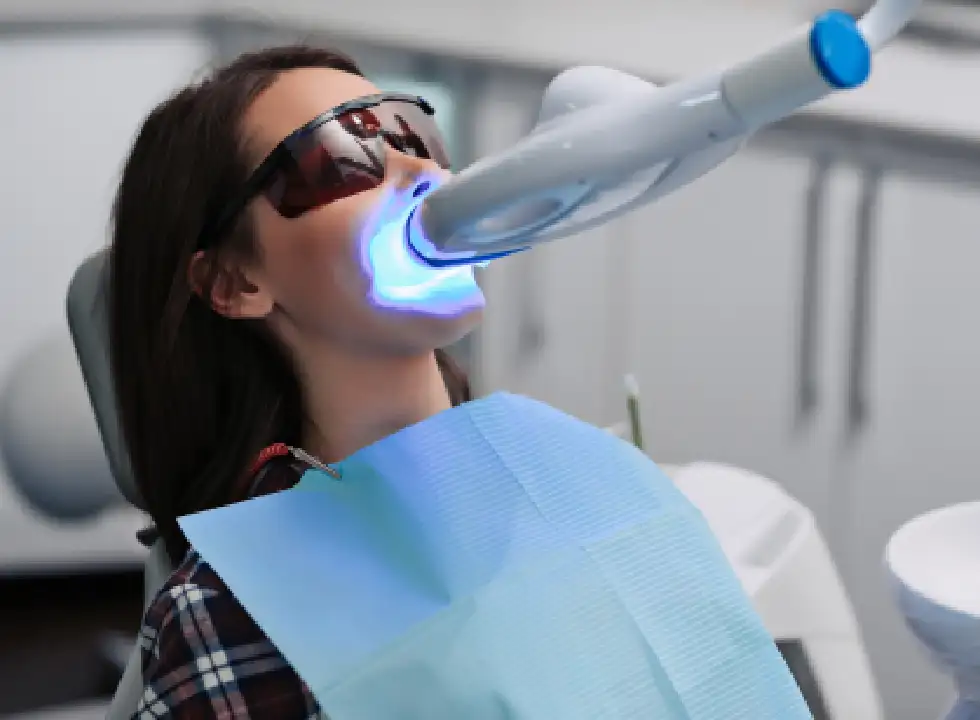
Bright smiles fade over time due to coffee, tea, red wine, and everyday wear. The question of treatment frequency puzzles many individuals who want a brighter look. Too much whitening harms enamel, while too little fails to produce visible results. Finding the perfect schedule balances oral health with cosmetic goals.
This article explains the ideal timing for the best teeth whitening Abu Dhabi and touch-ups based on dental science.
Start with your dentist’s advice:
A dental professional offers the safest guidance for any whitening routine. An examination reveals the current state of enamel and gum health before any procedure. Dentists provide personalized recommendations based on individual oral conditions and whitening goals. Professional oversight prevents over-whitening and catches any underlying issues early. This expert advice creates a foundation for a successful and safe whitening experience. Trusting a dentist’s knowledge protects the investment in a brighter smile.
Evaluate your natural tooth shade:
Natural tooth color varies greatly from person to person and affects treatment outcomes. Some individuals possess naturally whiter teeth that respond quickly to whitening agents. Others have darker shades that require more frequent sessions for noticeable results. Understanding this baseline helps set realistic expectations for any whitening schedule. A simple comparison with a shade guide provides a clear starting point. This self-assessment guides decisions about when to schedule the next treatment.
Consider your lifestyle choices:
Daily habits play a significant role in how long whitening results last. Coffee, tea, red wine, and dark berries stain teeth over time. Smoking or using tobacco products accelerates discoloration and demands more frequent touch-ups. Good oral hygiene, including regular brushing and flossing, extends the life of whitening treatments. Adjusting these habits reduces the need for repeated whitening sessions. Lifestyle changes support a longer-lasting bright smile between professional treatments.
Monitor your teeth’s sensitivity levels:
Tooth sensitivity acts as a crucial signal for adjusting treatment frequency. Whitening products temporarily open enamel pores, which can expose nerves to temperature changes. High sensitivity after a treatment indicates the need for a longer break. Waiting until sensitivity fully resolves prevents damage and ensures comfort. Listening to the body’s response keeps teeth healthy and strong. This awareness prevents overuse of whitening products and maintains enamel integrity.